Central and Northeast New Mexico State Parks are best suited for travelers looking for quieter camping, mountain hiking, trout fishing, and seasonal recreation away from larger reservoir crowds. Parks like Hyde Memorial, Cerrillos Hills, Villanueva, and Morphy Lake each offer different terrain and experiences, including sandstone canyons, forested mountain roads, historic mining trails, and wind-driven lakes.
Central and Northeast New Mexico State Parks combine mountain forests, sandstone canyons, trout streams, and high-plains lakes within a few hours of Santa Fe. Hyde Memorial, Villanueva, Storrie Lake, and other parks in this part of New Mexico support hiking, camping, fishing, paddling, sailing, and winter recreation across dramatically different landscapes.
Canyons and High-Plains Landscapes
Central and Northeast New Mexico State Parks provide access to cool mountain forests, narrow river canyons, historic mining trails, and open reservoirs shaped by wind and weather. Several parks sit within day-trip distance of Santa Fe, making them practical options for camping weekends, fishing trips, and seasonal outdoor recreation.
The New Mexico State Parks system includes locations that range from high-elevation forests in the Sangre de Cristo Mountains to open grasslands near Las Vegas, New Mexico, and as south as Manzano State Park in the Sandia Mountains. Visitors can sled at Hyde Memorial State Park in winter, fish the Pecos River in summer, or sail across Storrie Lake during windy afternoons. Together, these parks reflect the varied terrain that defines Central and Northeast New Mexico.
For current conditions, camping reservations, and seasonal alerts, visit the New Mexico State Parks Division, the New Mexico Department of Game and Fish, and the National Weather Service.
What Are the Best Central & Northeast NM State Parks?
Hyde Memorial State Park

Distance from Downtown Santa Fe: About 8 miles northeast via NM-475
Hyde Memorial State Park, located in the Sangre de Cristo Mountains, is a primary destination for high-altitude camping and winter sledding.
What Recreation Is Available at Hyde Memorial?
In short: Hyde Memorial State Park is best known for mountain hiking, campground access, and seasonal sledding when snow conditions allow.
Hyde Memorial State Park sits at elevations ranging from 8,500 to 9,400 feet, creating cooler temperatures than downtown Santa Fe during the summer months. The park includes hiking trails through mixed conifer forest, picnic areas, and campgrounds that serve travelers heading toward Ski Santa Fe and the Santa Fe National Forest.
During winter, Hyde Memorial State Park often becomes a gathering point for sledding and snow play. The designated sledding hill depends entirely on the annual snowpack and weather conditions, so conditions vary significantly from winter to winter.
Cerrillos Hills State Park

Distance from Downtown Santa Fe: About 30 miles southwest via NM-599 and NM-14
Cerrillos Hills State Park features five miles of trails through a historic mining district with views of the Sandia and Jemez Mountains.
What Are the Trail Features at Cerrillos Hills?
In short: Cerrillos Hills State Park supports hiking, mountain biking, horseback riding, an annual pack burro race, and educational trail use through former mining lands.
Cerrillos Hills State Park includes a network of multi-use trails that pass old mining sites, rolling hills, and piñon-juniper woodland near the village of Cerrillos. Interpretive signs throughout the park explain the area’s history of turquoise and lead mining, including use by Native American communities and later commercial mining operations.
Trail loops vary in difficulty and length, allowing visitors to combine shorter walks with longer ridge climbs. Several overlooks provide broad views toward the Sandia Mountains, Ortiz Mountains, and Jemez Mountains. The park’s open terrain also makes it popular for birdwatching and photography during the cooler months.
Pecos Canyon State Park

Distance from Downtown Santa Fe: About 35 to 45 miles, depending on the section visited, east via I-25 and NM-63
Pecos Canyon State Park offers specialized access to the Pecos River for trout fishing and summer camping in a steep canyon environment.
What Fishing Access Is Provided?
In short: Pecos Canyon State Park provides multiple access points along the Pecos River for trout fishing and riverside recreation.
Pecos Canyon State Park is arranged differently from many New Mexico parks because it consists of separate access sites stretched along the Pecos River corridor. These locations allow visitors to reach different sections of the river for fishing, picnicking, and camping.
Rainbow trout and brown trout are regularly stocked in portions of the Pecos River through coordination with the New Mexico Department of Game and Fish. Campgrounds are generally smaller and more shaded than reservoir-based parks, with forested surroundings and steep canyon walls shaping the experience. Summer temperatures in Pecos Canyon are often cooler than conditions in Santa Fe and Albuquerque.
Storrie Lake State Park

Distance from Downtown Santa Fe: About 73 miles east via I-25
Storrie Lake State Park is a high-plains reservoir known for its consistent winds, making it a regional center for windsurfing and sailing.
Why Is Storrie Lake Popular for Windsurfing?
Strong and consistent afternoon winds have made Storrie Lake State Park one of New Mexico’s most recognized windsurfing locations.
Located near Las Vegas, New Mexico, Storrie Lake State Park attracts sailors, kayakers, paddleboarders, and windsurfers looking for reliable wind conditions on open water. The lake has undergone major restoration and water recovery efforts during recent years, leading many visitors to describe it as a “lake reborn” after periods of drought and declining water levels.
The open shoreline and broad water surface create conditions that are especially favorable for wind-driven recreation. Fishing, camping, and wildlife viewing are also common activities around the reservoir, particularly during spring and fall migration seasons.
Villanueva State Park
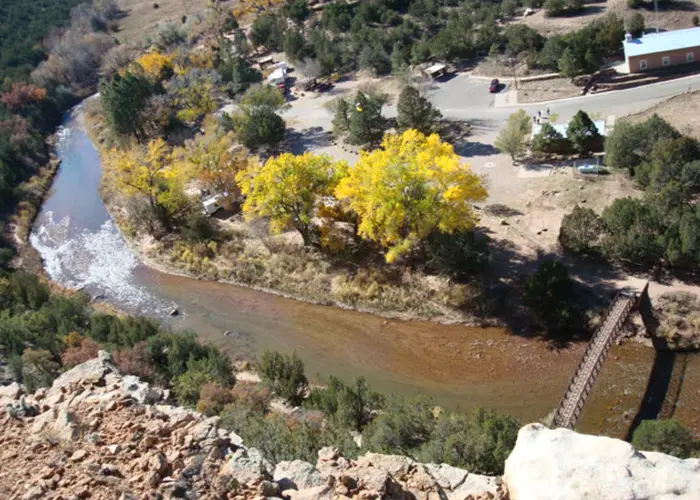
Distance from Downtown Santa Fe: About 63 miles southeast via I-25 and NM-3
Located in a sandstone canyon along the Pecos River, Villanueva State Park is a preferred local destination for canyon hiking and riverside picnics.
What Defines the Canyon Landscape?
In short: Villanueva State Park is defined by steep sandstone bluffs, cottonwood-lined riverbanks, and elevated canyon viewpoints.
Villanueva sits within a narrow canyon carved by the Pecos River, creating dramatic vertical walls and shaded camping areas along the water. The park’s loop trail climbs gradually toward higher viewpoints overlooking the canyon and surrounding mesas.
Picnic shelters and campsites are positioned close to the river, making the sound of flowing water a constant feature throughout much of the park. During spring and summer, cottonwood trees provide shade that contrasts sharply with the surrounding sandstone formations. Villanueva is especially popular with visitors seeking quieter camping experiences outside larger reservoir parks.
Morphy Lake State Park

Distance from Downtown Santa Fe: About 98 miles northeast via I-25 and NM-94
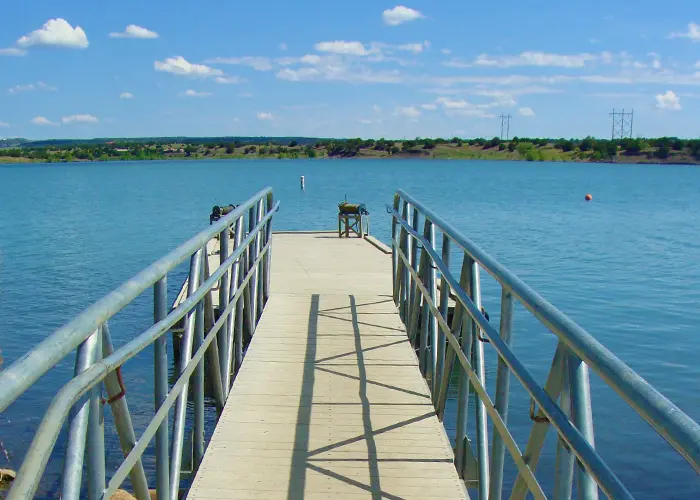
Morphy Lake State Park is a primitive, high-altitude lake accessible via a steep mountain road, offering a secluded environment for trout fishing.
What Are the Access Requirements for Morphy Lake?
In short: Morphy Lake State Park requires travel on a narrow mountain road and is typically open only during warmer months.
Morphy Lake State Park sits in a remote forested setting near Mora, New Mexico. Access roads include steep grades and narrow sections that may be difficult during wet weather or winter conditions. Due to snowfall and seasonal road conditions, the park generally operates on a limited schedule, often reopening in late spring.
Facilities remain intentionally minimal compared with larger New Mexico State Parks. Visitors typically come for trout fishing, primitive camping, and quiet outdoor conditions without large crowds or motorized boating. The lake’s high elevation also creates cooler nighttime temperatures throughout summer.
Coyote Creek State Park
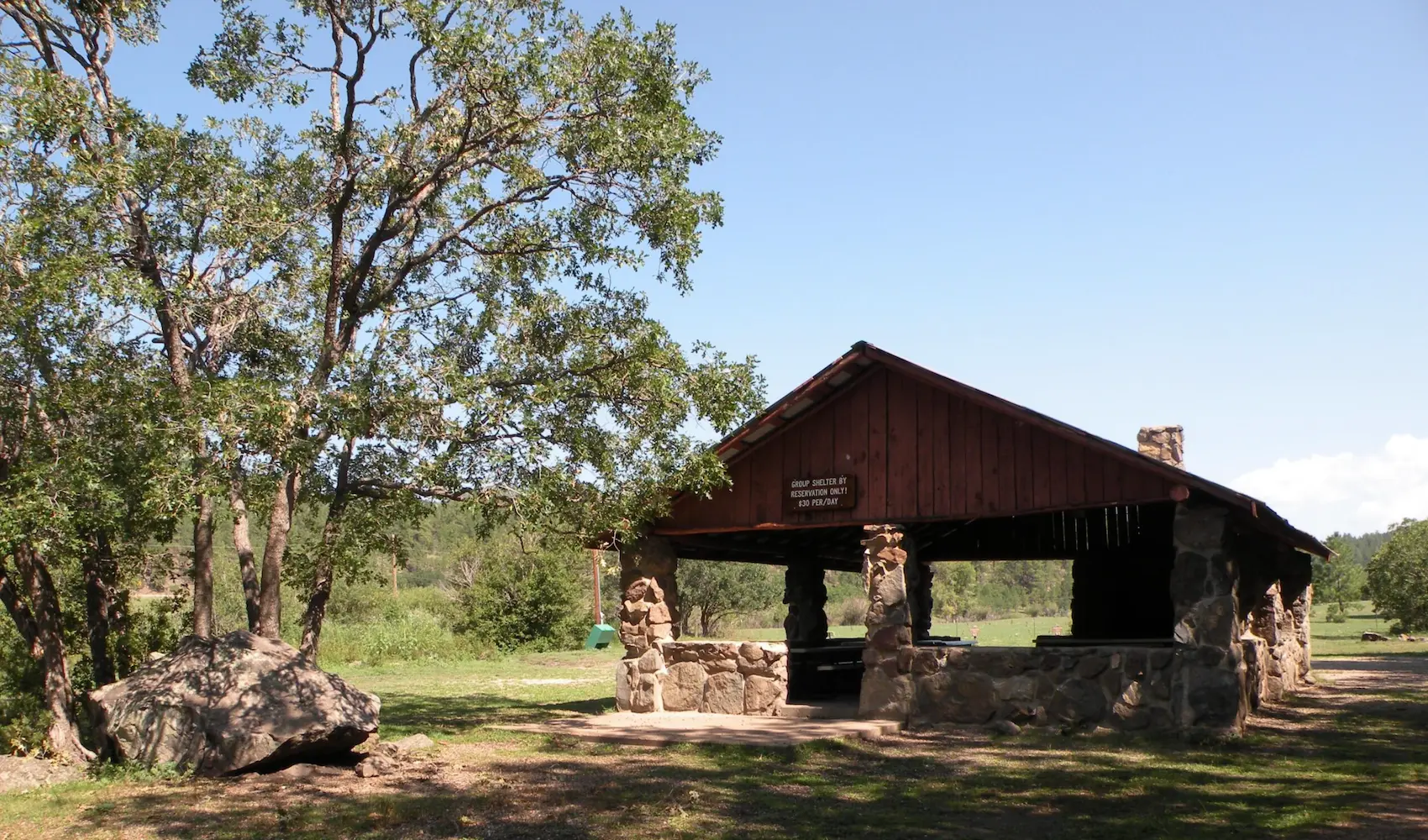
Distance from Downtown Santa Fe: About 116 miles northeast via I-25 and NM-434
Coyote Creek State Park features a shallow, meandering creek and recently constructed modern cabins for overnight stays.
What Are the New Lodging Options?
In short: Coyote Creek State Park now includes modern cabin accommodations alongside traditional campsites and creekside recreation.
Coyote Creek State Park is in the Sangre de Cristo foothills near Black Lake, New Mexico. The park’s namesake creek winds slowly through open meadows and forested sections, creating habitat for rainbow trout and seasonal wildlife activity.
New cabin facilities provide an alternative to tent and RV camping, particularly during colder months when nighttime temperatures drop significantly. Visitors also use the park for hiking, wildlife viewing, and fishing along the creek corridor. The surrounding landscape supports a slower pace than many reservoir-focused state parks, with small camp loops and wooded surroundings shaping the experience.
Visit NM’s Canyons and High Plains
Plan your next trip through Central and Northeast New Mexico with the New Mexico State Parks system. Hyde Memorial, Villanueva, Storrie Lake, Morphy Lake, and other nearby parks provide year-round access to hiking, fishing, camping, paddling, and seasonal recreation across mountain forests and canyon landscapes. Explore official park maps, campground details, and current conditions through the New Mexico State Parks Division, where wildlife and wonder run free.
Central & NE New Mexico State Parks FAQ
What are the new cabin amenities at Coyote Creek?
The new cabins at Coyote Creek State Park provide a more comfortable overnight option for visitors who want access to mountain scenery without bringing full camping equipment. Amenities may vary by cabin, but accommodations generally include beds, heating (wood-burning stove), electricity, seating areas, and outdoor access near the creek and surrounding forest. Visitors should still prepare for mountain weather conditions, as nighttime temperatures can be cold even in summer. Cabin availability changes seasonally, and reservations are strongly recommended during weekends and fall travel periods. Current reservation details are available through the New Mexico State Parks reservation system or by calling 575-387-2328.
Is windsurfing equipment available for rent at Storrie Lake?
Storrie Lake State Park does not consistently maintain on-site windsurfing rental operations, so many visitors bring personal gear. Rental availability can vary by season and by businesses operating near Las Vegas, New Mexico. Sailors and windsurfers planning multi-day trips should confirm equipment availability before arrival rather than assuming rentals will be offered at the lake. The lake remains popular because of its reliable wind conditions, particularly during spring and early summer afternoons. Kayaks and paddleboards may also be available through local outfitters during busier recreation seasons.
What is the best time of year to visit Morphy Lake?
Morphy Lake State Park is usually most accessible during the warmer part of the year, often operating seasonally from roughly May to October, depending on weather conditions and road access. Snow, mud, and icy roads can limit entry during colder months because the park sits at a high elevation in a forested mountain setting. Summer and early fall are generally considered the most practical times to visit for fishing, camping, and hiking. Visitors should still prepare for cool nighttime temperatures and sudden changes in mountain weather. Checking official New Mexico State Parks alerts before traveling is strongly recommended.
Can I hike between the mines at Cerrillos Hills?
Yes, visitors can hike between several historic mining areas using the trail system at Cerrillos Hills State Park. Interpretive signs throughout the park explain mining activities associated with the extraction of turquoise, silver, lead, and zinc that shaped the village of Cerrillos at different periods in New Mexico history. Some trails pass visible remnants of mining operations, though certain areas remain protected or inaccessible for safety reasons. Hiking routes are also open to mountain biking and horseback riding, making the park useful for a range of outdoor recreation styles. Trail maps are available through the New Mexico State Parks Division.
Are the sledding hills at Hyde Memorial open every winter?
No, sledding access at Hyde Memorial State Park depends entirely on snowfall and winter weather conditions in the Sangre de Cristo Mountains. Some winters produce enough snowpack to support regular sledding activity, while warmer or drier winters may reduce or eliminate usable conditions. Snowfall amounts can vary dramatically year to year across Northern New Mexico. Visitors should check current updates through New Mexico State Parks or local weather reports before planning a winter trip specifically for sledding. Even when snow is present, icy conditions or maintenance concerns can temporarily affect access to designated sledding areas.
Images courtesy of New Mexico State Parks
STORY SPONSORED BY NEW MEXICO STATE PARKS